Choosing the Right Land Survey Company: Key Questions to Ask
A survey is only as useful as its accuracy. Appoint the wrong provider, and you could end up with data that delays planning, causes design clashes, or needs redoing entirely. None of that is cheap to fix.
Whether you need a measured building survey, topographical surveys, or something more niche, the questions you ask will save you a lot of trouble down the line.
Here’s what to cover.
Have They Done This Kind of Work Before?
Land surveying covers a huge range of projects. A firm that mainly surveys open greenfield plots may not have the right experience for a complex heritage building, and vice versa.
Ask what they’ve worked on recently that’s comparable to yours – in scale, complexity, and setting. Ask for case studies. A confident provider will show you previous work and talk you through how they handled any tricky bits. If they can’t point to anything similar, that tells you plenty.
What Equipment Are They Using?
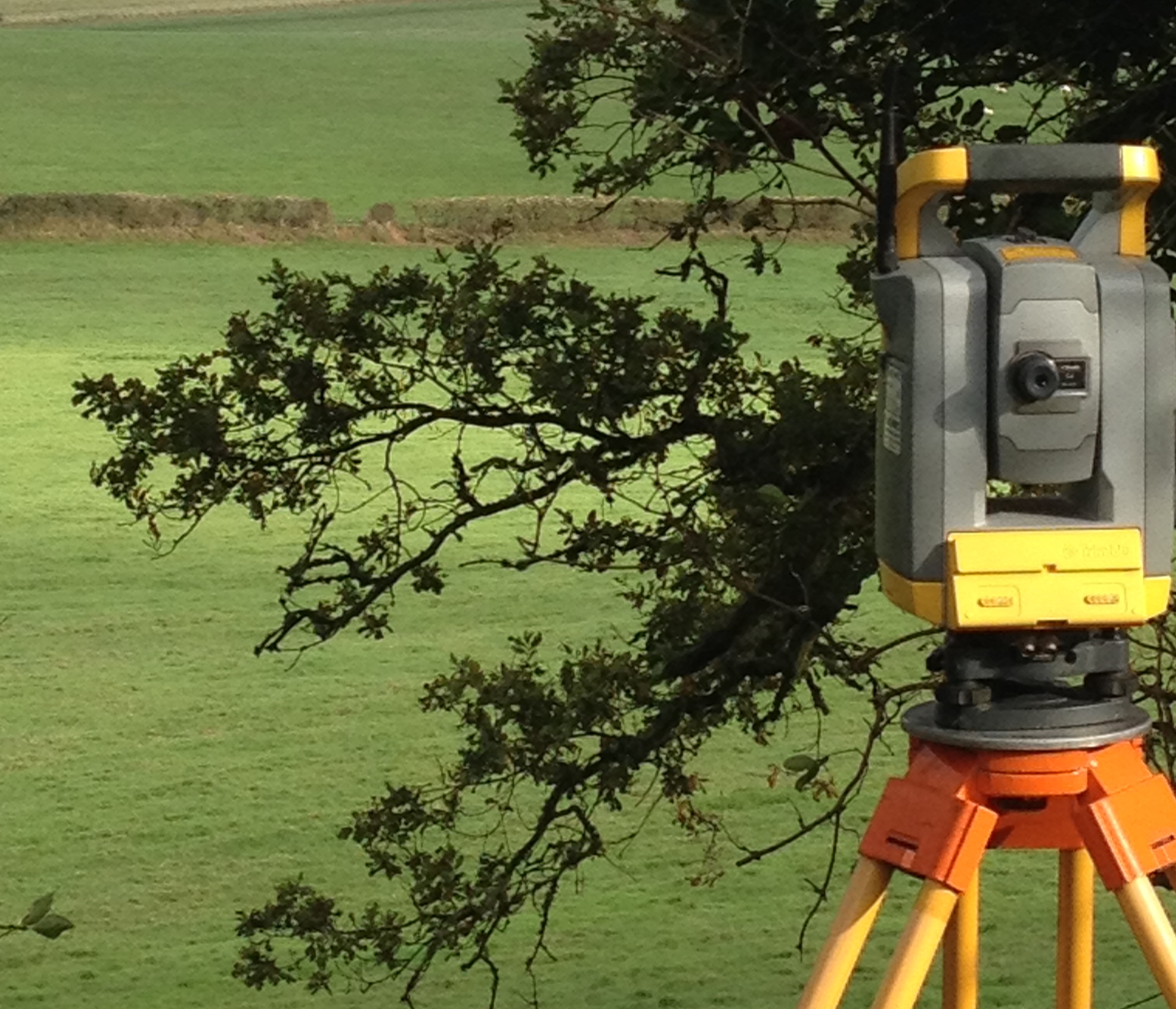
Survey technology has advanced significantly in the last decade. Total stations, GPS, 3D laser scanners, and drones all have a role depending on the job.
Consider asking what they plan to use on your project and why. You don’t need to know the specs – just listen for whether they can explain their reasoning.
What Do You Receive?
Some clients expect full CAD drawings and receive a basic PDF. Others assume certain features are included when they weren’t in the brief.
Before you commit, nail down the deliverables:
- What format will the data come in?
- What level of detail is included?
- Will the survey be tied to Ordnance Survey datum and grid?
- Does the output suit your architect’s or engineer’s workflow?
If you need the data to feed into design work, the survey has to support that. Pin it down early and you’ll avoid arguments later.
Can They Work Around Your Programme?
Surveys don’t happen in a vacuum. They need to fit around site access, other contractors, planning deadlines, and sometimes tenants or the public.
Ask how they handle scheduling and what turnaround looks like. Find out whether they’ve dealt with restricted access before, such as listed buildings, live sites, or occupied properties.
A provider who’s done that before will have a plan. One who hasn’t may hold you up.
Are They Insured and Accredited?
Sounds obvious, but it’s overlooked more than you’d think. Professional indemnity insurance protects you if survey data turns out to be wrong and causes problems downstream. Ask for proof and check that the cover is adequate for your project.
Membership of bodies like RICS or CICES is worth checking too. It’s not a quality guarantee on its own, but it signals that the firm works to recognised standards. Other things to look out for:
- Clear terms of engagement before work starts
- A named surveyor responsible for your project
- References from recent clients you can follow up
Why Clients Choose LDS
We’ve been carrying out land and building surveys from our offices in Salisbury and Poole for years, working across the south of England and beyond.
Our clients come back because we do the basics well – we turn up when we say we will, we use the right kit for the job, and we hand over data that their design teams can work with.
If you’re weighing up providers and want to understand what we’d deliver on your project, contact us. We’ll run through your requirements, explain what’s involved, and give you a clear quote with no surprises.